Reselling Guide
Where to Buy Amazon Return Pallets in 2026: Beginner Guide to Buying, Reselling & Making Profit
Amazon return pallets can look like an easy way to buy cheap inventory, but the real profit is made before you place a bid. This guide shows you where to buy Amazon return pallets, how to compare suppliers, what costs to calculate, and how to avoid beginner mistakes.
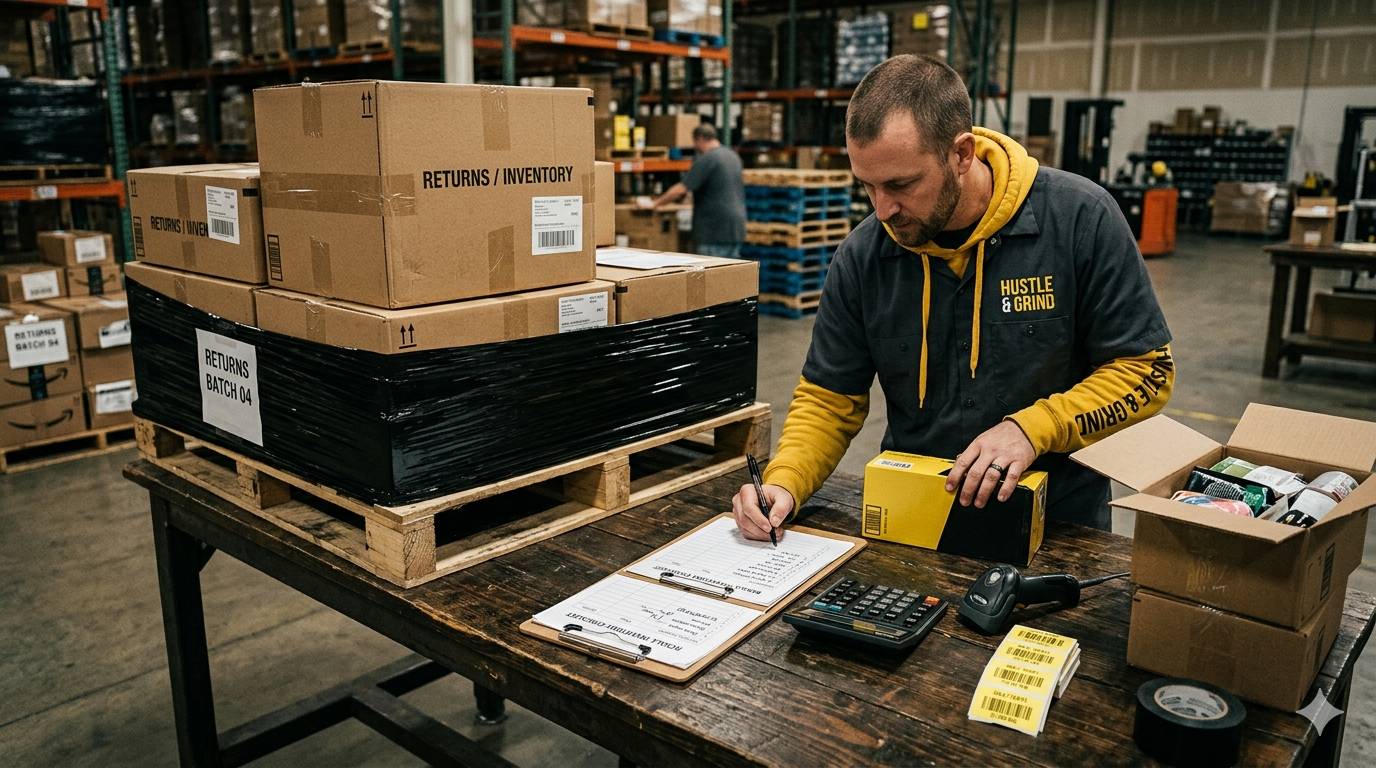
Quick Answer: Where Should Beginners Buy Amazon Return Pallets?
The safest starting point is usually a known liquidation marketplace where you can see lot details, condition notes, shipping terms, and buyer rules before paying. Beginners should avoid random “mystery pallet” sellers that show no manifest, no pickup details, no seller history, and no clear return policy.
Best for research
Use official bulk liquidation pages and established auction marketplaces to understand real pallet pricing before buying.
Best for beginners
Start with small lots, mixed home goods, tools, toys, or simple electronics that are easier to test and resell locally.
Best rule
Never judge a pallet by retail value alone. Calculate landed cost, fees, repair time, storage, and unsellable items.
What Are Amazon Return Pallets?
Amazon return pallets are bulk lots of returned, overstock, shelf-pull, damaged-box, or liquidation inventory. Instead of buying one item at a time, you buy a group of products together. Some items may be new. Some may be open-box. Some may need cleaning, testing, missing parts, or repair.
That is why this business is not simply “buy cheap and get rich.” It is a sourcing and sorting business. Your job is to buy inventory low enough that the good items can pay for the bad ones.
Where to Buy Amazon Return Pallets
If your main question is where to buy Amazon return pallets, start with sources that provide transparent information. Below are the most common buying routes for beginners.
1. Amazon Bulk Liquidations
Amazon has a bulk liquidation area where buyers can find pallets and bulk lots of overstock, damages, and customer returns. This is a useful place to understand the type of inventory that may be available and how bulk lots are presented.
2. Amazon Liquidation Auctions through B-Stock
B-Stock operates liquidation auction marketplaces for major retailers, including Amazon liquidation inventory. You usually need to register, review auction rules, check the manifest if available, and understand shipping before bidding.
3. Liquidation Marketplaces
Large liquidation marketplaces list customer returns, shelf pulls, salvage lots, and overstock from different retailers. These platforms can be helpful, but always check seller ratings, location, freight cost, item condition, and lot description.
4. Local Liquidation Warehouses
Local warehouses are often better for beginners because you may be able to inspect the general condition, avoid expensive freight, and start with a smaller load. Search for local liquidation stores, pallet warehouses, or surplus auctions near your city.
5. Facebook Marketplace and Local Resellers
Some local sellers resell pallets or smaller boxes. This can be convenient, but it also has higher risk. Ask where the stock came from, whether the lot is manifested, whether items are tested, and whether you can see the pallet before paying.
How to Buy Amazon Return Pallets Without Losing Money
- Pick one category first. Avoid buying every type of pallet. Choose home goods, small electronics, tools, toys, or another category you understand.
- Check the manifest. A manifest is a product list for the lot. It may not be perfect, but it helps you estimate resale value and risk.
- Calculate landed cost. Your real cost is not only the bid price. Add shipping, buyer premium, taxes, fuel, storage, packing supplies, marketplace fees, and time.
- Start smaller than your budget. If you have $1,000, do not spend the full amount on your first pallet. Keep cash for shipping, cleaning, replacements, and slow-moving items.
- Test before listing. Check each item, take clear photos, mention defects honestly, and avoid selling unsafe or restricted products.
Amazon Return Pallet Costs Beginners Forget
Most beginners look only at the auction price. That is the mistake. A pallet with a low bid can become expensive after freight and fees.
| Cost | Why it matters | Beginner tip |
|---|---|---|
| Bid price | The visible cost of the pallet or lot. | Set your max bid before the auction starts. |
| Shipping or pickup | Freight can turn a cheap pallet into a bad deal. | Compare local pickup whenever possible. |
| Buyer premium | Some marketplaces add a percentage fee. | Read auction terms before bidding. |
| Testing and repair | Returns may need batteries, cords, cleaning, or parts. | Avoid complex items until you gain experience. |
| Marketplace fees | eBay, Mercari, Amazon, and payment processors can reduce profit. | Calculate net profit, not sale price. |
| Unsellable stock | Some items may be broken, incomplete, or too slow to sell. | Assume a percentage of each lot will be a loss. |
Simple Profit Example
Imagine you buy a small return lot for $350. Shipping and fees bring the total to $500. After sorting, you find 35 items that can sell and 10 items that are damaged or not worth listing.
- All-in cost: $500
- Sellable items: 35
- Average sale price: $22
- Gross sales: $770
- Estimated platform, packing, and small repair costs: $170
- Estimated net before your time: $100
In this example, the pallet makes money, but it is not magic. The profit comes from buying carefully, testing items fast, listing honestly, and moving inventory before it fills your garage.
Best Items to Resell from Amazon Return Pallets
The best category depends on your skill, storage space, and local demand. For most beginners, simple items are better than complicated items.
Easier beginner categories
- Home and kitchen items
- Small tools
- Toys and games
- Office products
- Pet accessories
Higher-risk categories
- Large appliances
- High-value electronics
- Beauty products with safety concerns
- Baby products with strict safety rules
- Items missing manuals, chargers, or parts
Where to Resell Pallet Items
You do not need one perfect resale platform. Use different platforms for different items.
- Facebook Marketplace: good for local pickup, bulky items, and fast cash.
- eBay: good for searchable products, parts, electronics, collectibles, and national buyers.
- Mercari or similar apps: good for smaller consumer items.
- Flea markets: good for mixed low-cost inventory.
- Your own website: useful later when you understand your niche and repeat buyers.
Beginner Mistakes to Avoid
The biggest mistake is believing the retail value shown on a lot equals real resale value. Retail value is not cash in your pocket. You still need buyers, working products, photos, time, and trust.
Do not buy your first pallet if:
- You cannot verify the seller or marketplace.
- The shipping cost is unclear.
- The lot has no useful description or photos.
- You do not have space to sort and store items.
- You are depending on instant profit to pay urgent bills.
Beginner Buying Checklist
- Check supplier reputation before paying.
- Read condition notes carefully.
- Compare the manifest with real sold prices, not asking prices.
- Add freight, fuel, taxes, fees, and packing costs.
- Start with one smaller lot before buying truckloads.
- Test items before listing them online.
- Keep simple records of cost, sale price, and profit.
FAQs About Amazon Return Pallets
Are Amazon return pallets worth it for beginners?
They can be worth it if you buy carefully, understand the risks, and start small. They are not worth it if you expect every item to be new, working, and easy to sell.
Where is the best place to buy Amazon return pallets?
Beginners should start with established liquidation sources, official bulk liquidation pages, or local warehouses that clearly explain condition, shipping, and buyer terms.
How much money do I need to start?
Start with the smallest lot you can manage, then keep extra money for shipping, packing, repairs, marketplace fees, and storage. Do not spend your full budget on the first purchase.
Can I resell Amazon return items on eBay or Facebook Marketplace?
Yes, many resellers use platforms like eBay and Facebook Marketplace. Always describe item condition honestly and avoid restricted, unsafe, or recalled products.
What is the biggest risk in pallet flipping?
The biggest risk is buying a lot based on retail value without calculating real landed cost, damage rate, time, fees, and realistic resale demand.
Final Advice
If you want to start an Amazon return pallet business, do not begin by chasing the biggest pallet. Begin by learning how to buy one small lot, sort it, list it, and track the numbers. Once you know your real profit per pallet, you can scale with confidence instead of guessing.